
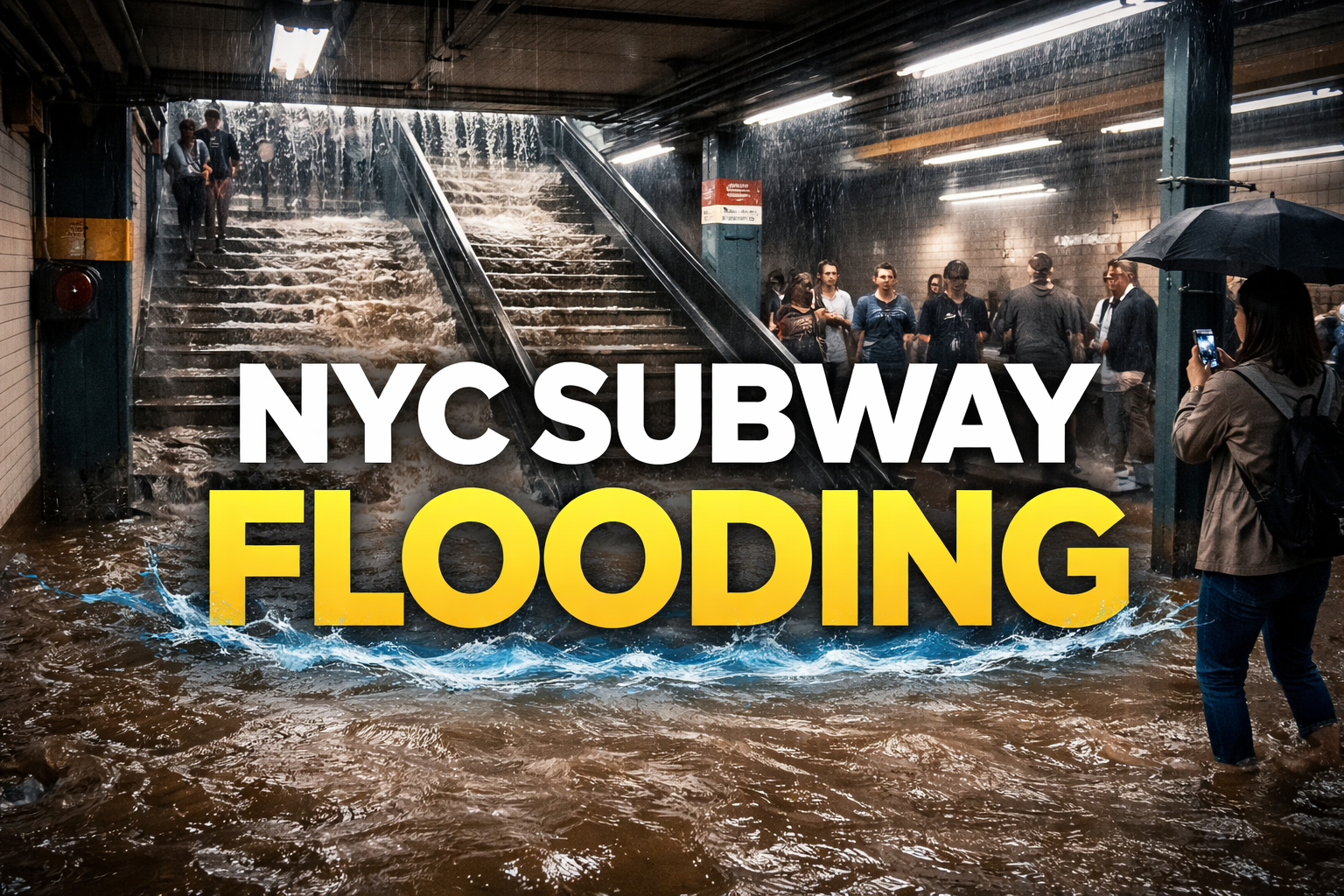

Why Is the NYC Subway Flooding? What Solutions And Causative factors Do You Have
The New York City subway system is a crucial part of daily life for millions of commuters. But there is one problem that’s been coming up a lot in recent years: flooding. Whether it’s sudden storms or high sea levels at play, flooding in the NYC subway has now begun to make its way not only onto city hall officials’ radar but also into a routine commuter’s daily life. As alluded to above, this piece aims to dive into the source/causes of those roots, the effect and how to combat that with/without interventions along with some tips you can do yourself while in these circumstances.
Why Is NYC Subway Flooding a Growing Problem?
New York City’s subway system is old — like, ancient-old. But it is one of the largest and most recognizable in the world, and was not designed for today’s pattern of weather. So why are there more subway floods? Let’s break down the causes.
Extreme Weather Events
Stuff like heavy rainstorms, hurricanes and nor’easters are more common due to climate change.
Heavy rain: On an average to heavy rainy day, a major rainstorm can flood subway tunnels in just a couple of minutes. Having infrastructure built decades ago, there is little margin for the volume of water that sometimes falls.
Hurricanes and tropical storms: They dump large volumes of rain and create storm surges that can easily flood subway stations, especially those near the water.
Rising Sea Levels
Several of New York City’s subway stations and tunnels are at or below sea level and vulnerable to flooding from rising seas. And because the city’s waterfront areas are slowly being colonized, a little storm surge can lead to widespread flooding that shuts down entire subway lines.
Aging Infrastructure
As we discussed, New York City’s subway system is old, and its infrastructure was designed before climate change was on anyone’s mind. As infrastructure components like pumps, pipes and drainage systems deteriorate, the subway finds it more challenging to handle large volumes of water.
Poor Drainage Systems
Water drains from subway stations and tunnels, but some parts of the system are especially vulnerable due to aging infrastructure. Even light rain can swamp platforms and tracks without modern drainage systems.
This morning’s flooding of New York City’s subway system is just the latest reminder that we need to prepare for these things.
Potential subway system flooding can do more than just irritate commuters; it may cost individual commuters, businesses and the city at large. Let’s take a closer look at the impact:
Service Disruptions
Subway stations that become inundated typically lead to significant delays or even a complete suspension of service. Not only will this affect the daily lives of many millions of regular commuters, but it will also require them to find alternative modes of travel or take days off work.
Safety Hazards
Flooding can create dangerous conditions for commuters. Slips, trips, and falls can happen on wet platforms, slick stairs and flooded tunnels. In extreme conditions flooding may affect electrical outages, posing an acute public safety risk.
Economic Losses
And every minute that the subway is down, it costs the economy dollars and cents. There’s business with operations disrupted, employees late for work and productivity around the city taking a hit. In the long run, it results in massive financial loss.
How small businesses have been affected: Stores, offices and restaurants close to a subway station can start bleeding money if commuters can’t access their buildings with ease.
Lost wages: People who miss work because of delayed or canceled subway rides may lose pay, which has financial implications.
Environmental Concerns
Aside from mucking with people’s lives and the New York economy, subway flooding has an environmental cost. Polluted runoff from the streets could enter subway systems, carrying debris and toxic materials that can undermine infrastructure and endanger the city’s sanitation efforts.
Solutions to Subway Flooding in New York City
Fighting flooding in the NYC subway needs short-term fixes and long-term strategies. Here are a few remedies that can help:
Upgrading the Drainage System
Widening the drainage system is one of the best ways to increase our response to flooding in the subway. And the city can buy more efficient pumps, catch basins and water channels that contain the hundreds of thousands of gallons produced by deluges annually.
Upgrading pumps: More effective, larger pumps can prevent the accumulation of water in subway tunnels.
Flood Barriers and Shields
The MTA is already moving forward with investments in flood gates and shields for vulnerable subway stations. These barriers help prevent storm surges and heavy rain from flowing into tunnels and stations so debris does not impede service.
Raised Infrastructure
To solve for extreme sea level rise, subway stations can be raised above the levels of flooding. It would also help protect the stations from flooding caused by storm surges, though it could be costly.
Waterproofing tunnels: Barriers that would prevent water from entering the tunnels would be helpful; they would help avoid flooding in heavy rains or storm surge.
Flood-Resistant Technology
Waterproof tunnel coatings, flood detection technology, and automated pumping systems are among the technological advances that may mitigate floods’ impacts. The deployment of these technologies would reduce response times and avoid large-scale service outages.
Smart flood detection systems: When water levels are climbing, but before a flooding event occurs, these devices can alert MTA workers so they can respond.
Automated pumps: Systems that autonomously start pumping water out of tunnels when they get too full, to prevent widespread flooding.
Climate Adaptation Measures
Last but not least, talking about long-term measures, we have to implement more climate adaptation measures. For example, by climate-proofing urban vegetation, Such as through enhanced urban planning and sustainable infrastructure development to increase the city’s resilience against climate change.
Use sustainable urban planning: Creating parks, wetlands and effective stormwater infrastructure can relieve stress on the subway system as a whole.
Collaborating with climate science and engineering experts: Working with those who have expertise in this area can produce work toward more effective approaches to shielding the subway from the effects of climate change.
How Commuters Can Prepare for Flooding of the N.Y.C. Subway
In the meantime, some things commuters can do in advance of sudden episodes of flooding while officials work to address long-term causes:
Check subway alerts: The M.T.A. posts real-time updates on its website and app. Monitor these alerts and monitor for any impacts from flooding on water levels.
Be ready for alternative transportation: Know alternate routes if your particular subway line gets submerged. Have a Plan B using buses bikes or ride-sharing apps.
Wear your protective clothing: Wear a raincoat or waterproof shoes, just in case it is raining.
EndNote: What Can Be Done About Flooding in NYC Subways
Flooding in the NYC subway system is far from new and is only exacerbating a problem affecting millions. This city’s crumbling infrastructure, hewn in some parts a century ago, along with increasing severe weather events and rising sea levels have created a perfect storm of subway service disruptions. However, acknowledging the problem exists and taking steps to avoid it from happening is the first step in doing anything about it. Floods will naturally form.
A commuter can do a little bit to prepare themselves and stay in the know while city officials work on longer-term solutions. With some foresight and vigilance, we’ll be able to navigate the subway in New York City as normal even through flooding.