
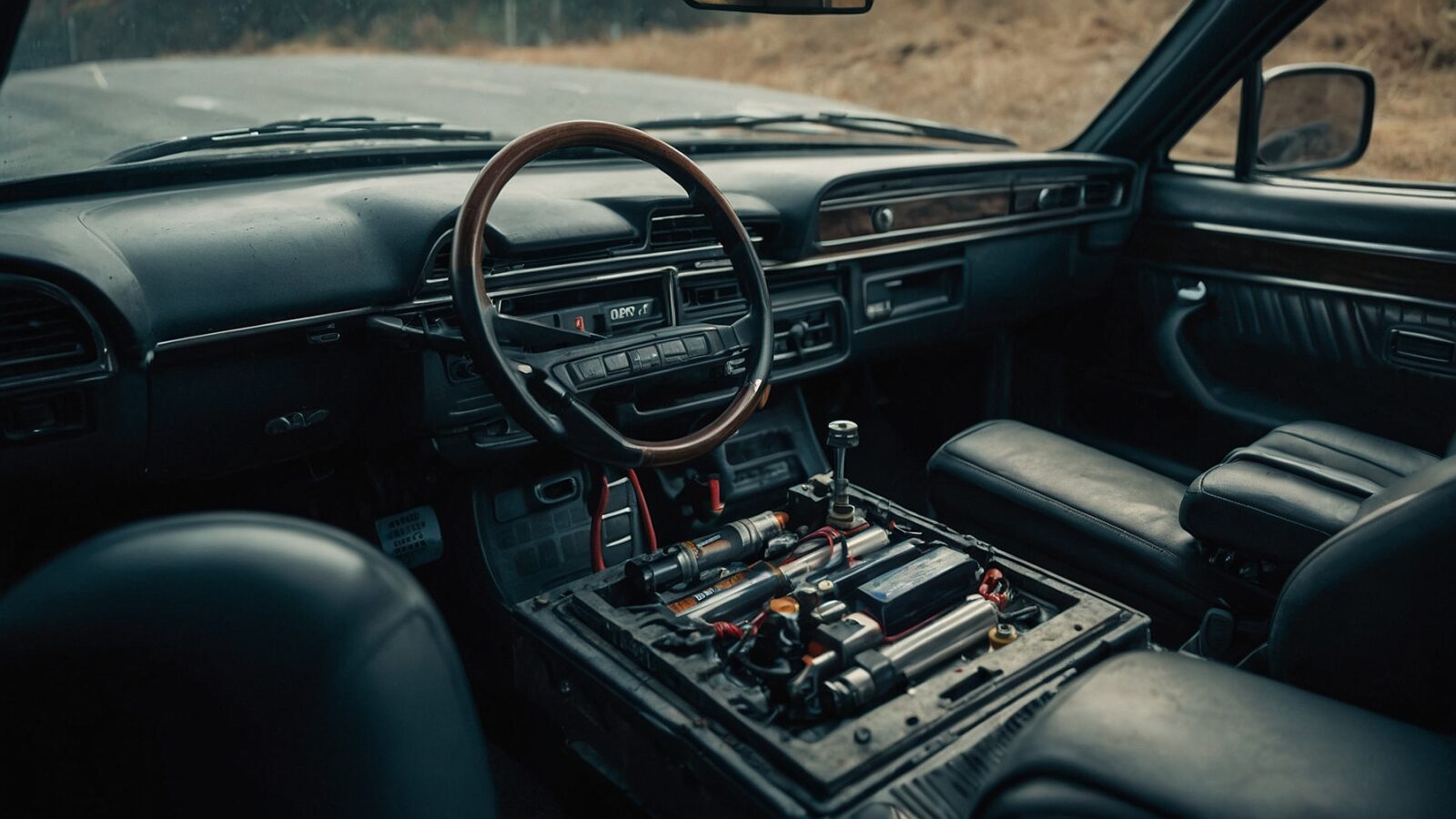

How Many Years Does a Car Battery Last?
Car batteries are the under-sung heroes of our vehicles, churning away to quietly provide power for everything from activating the engine to powering our car’s vital electrical systems. But men’s shirts, like everything else, do not last forever. If you own a car, you’ve likely had questions about how long your car battery should last, if certain factors shorten its lifespan and when it’s time for a new one.
In this piece, we’ll cover all you need to know about car battery life, from the average lifespan of a battery to signs that it’s time for a new one. We’ll also explore possible reasons your battery is failing faster than you’d like and how to help extend the life of your car’s battery so it works more effectively.
What Is a Car Battery And Why Is It Important?
A car battery is the source of electrical energy when the vehicle engine is not running it supplies electricity to power your car’s starter motor, lights and other accessories. It consists of lead plates immersed in an electrolyte solution usually sulfuric acid and water. The battery saves the generated power from the alternator and provides it as required.
Your car wouldn’t start without a working battery. It would also have difficulty activating essential equipment such as the headlights, air conditioning and infotainment functions. Think of it as essentially the heart of your vehicle’s electrical system.
How Long Will It Take for You to Replace a Car Battery?
The average life span of a car battery ranges from 3 to 5 years. But several factors determine how long it will actually last. Some might live a little longer, and some may be replaced sooner. We will delve deeper into these factors below.
The Age of Your Car Battery
Car Battery life expectancy Car batteries are engineered to last for a certain number of years—normally three to five. That’s a general rule, though — the type of battery in your car and the make and model will influence how long that battery lasts, as well as how well you maintain it (or don’t).
Climate and Weather Conditions
Your car battery will last you a long time, depending on the climate you reside in. Your battery is put through the wringer by extremely high and low temperatures.
Hot temperature: High temperature speeds up vaporization of the battery fluid, which dries out the internal structure of the battery and causes premature aging.
Cold weather: A cold temperature slows the chemical reaction in your battery down making it harder for your car to start, especially first thing in the morning on those freezing winter mornings. In other instances, a car battery simply dies in subzero weather.
Driving Habits
The way you drive your car can also affect the battery’s life. Many short drives during which the engine doesn’t have time to fully recharge the battery can be a problem. A battery depends on the alternator to be recharged as you drive, so if your trips are too short and that resting place of a garage needs an extra layer of fat, in other words, long slow drives rather than running out to the corner store for the quart of milk.
On the other hand, long highway drives — in which the alternator has more time to recharge the battery — can help extend its life.
Battery Maintenance and Care
Routine maintenance may help a battery last longer. Some maintenance tips include:
Inspecting for corrosion: Corrosion on the battery terminals can interfere with the charging process. Regular cleaning can prevent this.
Battery charge level: If the battery’s charge level falls too low, it can cause damage to the internal battery components; keep an eye on the charge level.
Not leaving accessories on: If you leave your car’s lights or air conditioning running when the engine is off, it can put an unnecessary workload on the battery and it can contribute to premature wear.
Signs Your Car Battery Is Failing

It’s crucial to be on the lookout for signs that your battery may be nearing the end of the road. Not paying attention to these warnings could find you stuck out in the middle of nowhere, and that mistake can be very time-consuming and expensive.
Below you will find a list of signs your car battery is dying.
The Car Struggles to Start
One of the most evident symptoms that your battery is on the decline is if you need to turn the key a few times before your car actually turns over, or if it seems to have a hard time starting at all. If you turn the key or push the start button and you hear a slow crank or no immediate crank, that battery may be on its deathbed.
Dim Headlights or Electrical Issues
A single reason why your battery may be the issue is if your headlights appear duller than normal, or you’re finding that electrical elements in your car (like the radio, air conditioning or dashboard lights) aren’t working as they should. Electrical systems drain juice from the battery, and if it’s not delivering enough, those are the first things to go.
Swollen Battery Case
Your battery may swell from overheating or overcharging. If the battery’s casing appears to be deformed or swollen, you know this is a strong indicator that your battery is not working properly. A swollen battery is a dangerous one and should be replaced as soon as possible.
Check Engine Light
The check engine light can come on for many reasons, but oftentimes that’s the result of problems in your battery or charging system. If the light comes on and you think it’s related to the battery, have it checked out as soon as possible.
Bad Odor
A battery with a crack or hole in the case may produce a sulfuric smell, like rotten eggs. This is a symptom of leaking battery cells, and the cord should be replaced as soon as possible. A battery leak is dangerous for the car and can cause problems if you inhale or swallow it.
Things That Affect The Life Of Your Car Battery
Several external factors may extend or shorten the life of your car battery:
Type of Battery
There are various kinds of batteries, and some are longer-lasting than others. So-called Absorbent Glass Mat (AGM) batteries, for example, last longer than regular flooded lead-acid batteries because they are better designed to withstand more demanding conditions.
Quality of the Battery
Not all car batteries are the same. Higher-quality batteries that contain higher-quality internal parts can sometimes last longer and be more durable than back-of-the-house options. I’d find a well-known brand and check into the warranty for peace of mind.
Car’s Charging System
(As a side note, your car’s alternator and charging system are just as important to the health of your battery!) If that’s not the case, and the alternator is broken or malfunctioning, it might not be fully charging the battery, causing a premature death. This can be prevented by checking your car’s electrical system regularly.
How to Get the Most Out of Your Car’s Battery
And though there’s no way to prevent the natural breakdown of a car battery, you can take certain steps to help it last as long as possible:
Drive Regularly
Batteries could be a victim of short hauls, like I said. If possible, drive your car at least weekly for at least 20 minutes to help keep the battery charged.
Keep It Clean
Be certain the terminals on your battery are clean and corrosion-free. If you see any corrosion, gently clean it with a baking soda and water solution.
Check for Leaks
Periodically examine your battery for signs of leaking or swelling. Better to address it now, before a problem becomes a failure.
Limit Accessory Use
Do not use the air conditioning, light or any other electrical equipment when the engine is not running. All these make sure your battery doesn’t drain more than it should.
Replace When Necessary
Lastly, don’t let your battery fully discharge before swapping it out. If you’re coming up on three to five years, also consider having a battery test done to check for good condition. Most auto parts stores will test your battery for free.
Conclusion
The service life of a car battery usually ranges from 3 to 5 years; however, factors such as climate, driving habits and the condition of the charging system can make them last longer or shorter. Knowing the warning signs of a failing battery, proper maintenance and choosing a high-quality battery can help ensure that your car’s or truck’s battery lasts as long as possible.
A car battery is not only necessary to help get your vehicle running but it also powers all sorts of critical systems in your car. You want it to be as reliable and ready to go when you need your car as possible, so take care of it.